
What is Myofunctional Therapy (Myo)?
Myofunctional therapy is a form of physical therapy for mouth and face muscles. It's a series of exercises designed to strengthen the muscles that control the tongue, lips, and cheeks. It’s a non-invasive way to address a variety of oral and facial issues under the umbrella of orofacial myofunctional disorders (OMDs). The goal is to improve things like breathing, chewing, swallowing, and even speech.
Benefits of Myofunctional Therapy
Breathing
Myo can help kids and adults learn to use their noses to breathe rather than using their mouths.
Sleep
By improving breathing, myo can reduce snoring and even help with sleep apnea.
Speech
Strengthening these muscles can improve articulation and speech clarity.
Dental Health
Myo can prevent issues like teeth grinding and help with proper alignment, reducing the need for braces.
Orofacial Myofunctional Disorders (OMDs) Myo Can Treat
Tongue ties
Pre-/post-frenectomy prep
Swallow dysfunction
Snoring
Correct tongue posture
Grinding
Oral habit cessation
Mild sleep apnea
Mouth breathing
Nasal breathing
Asthma
Allergies
TMJ dysfunction
The Four Goals of Myofunctional Therapy
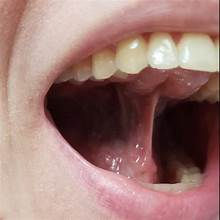
Correct Tongue Position
Holds the airway open
Reduces snoring and grinding
Promotes proper growth and development of the face and jaws

Nasal Breathing
Improves blood circulation
Increases brain function
Improves physical performance
Filters pollutants
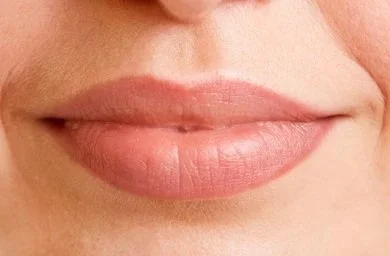
Lip Seal
Deepens sleep
Reduces sleep apneas
Promotes nasal breathing
Keeps teeth healthy and cavity-free
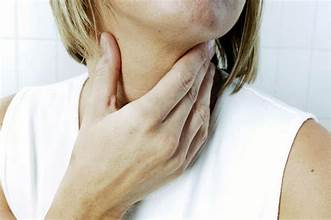
Correct Swallow
Increases the tongue’s strength and mobility
Improves digestion
Prevents orthodontic relapse
Myofunctional Therapy Treatment with North Shore Myo Group
The assessment is a collection of data that helps us craft a story about you. During this visit, we evaluate the function, tonality, and range of motion of the soft tissues in the face and neck. We also look for compensations—often unnecessary learned movements—that develop over time as a result of weak muscle function. We learn about you through measurements, observation, questions, and some fun exercises. This tells us how we can guide you to be the healthiest version of yourself.
1
Assessment
Developing a Treatment Plan
2
Once we have completed the assessment, we develop a treatment plan, including exercises to complete, habits to build, and the anticipated length of treatment. All programs are patient-specific and may encounter obstacles that must be resolved before, during, or after therapy, affecting the start or length of therapy.
Therapy sessions are roughly 2-3 weeks apart. Each week, exercises will be given that are intended to strengthen the orofacial muscles, but therapy also includes learning and practicing proper habits. Over time, strength, tonality, control, and habit development are achieved. With this achievement, we often witness the resolution of the initial ailment as well as improved sleep and breathing.